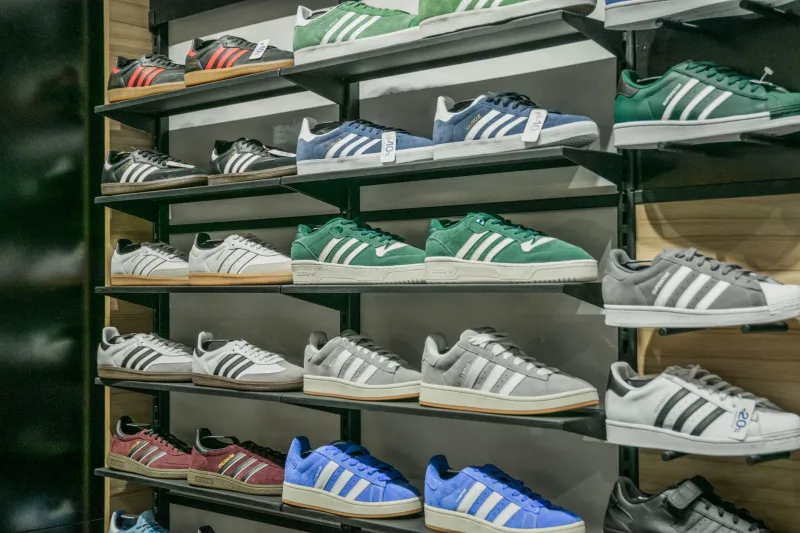
Behind the Stripes: Why Sneakerheads Are Booking Flights to See How Their Kicks Get Made
For most people, a sneaker is a sneaker. You cop it, you lace it, you flex it. But for a growing corner of the Adidas community, that's not nearly enough anymore. These days, a dedicated crew of enthusiasts is going a step further — literally. They're hopping on international flights, planning multi-week itineraries, and making their way to the places where Adidas shoes actually come to life. Factories, heritage campuses, innovation labs — if it has anything to do with how the shoe gets built, these fans want to be there.
It's a shift that says a lot about where sneaker culture is headed. Collecting was the first wave. Reselling was the second. Now? Understanding is the new status move.
The Mecca: Herzogenaurach and the Adidas Home Base
If you're serious about this pilgrimage, it starts in a small Bavarian town most Americans have never heard of. Herzogenaurach, Germany — population roughly 25,000 — is ground zero for Adidas history. This is where Adi Dassler founded the company in 1949, and where the brand's global headquarters still sits today. The campus is sprawling, modern, and loaded with history around every corner.
Visitors who've made the trip describe it as a surreal experience — the kind of place where the weight of the brand's legacy hits you in a completely different way than it does back home. There's the Adidas Archive, a carefully curated collection of footwear and apparel dating back decades, where original silhouettes sit behind glass like artifacts in a museum. For sneakerheads who grew up obsessing over colorways and materials, standing that close to the originals feels like a religious experience.
Public access to the full campus is limited, but the brand has expanded its welcome to enthusiasts through organized tours, brand events, and special access programs tied to product launches and collaborations. Fans who've connected with Adidas communities online — Discord servers, collector groups, brand loyalty programs — report that doors open more easily when you show up with the right credentials and the right energy.
The Factory Floor: What Fans Actually Discover
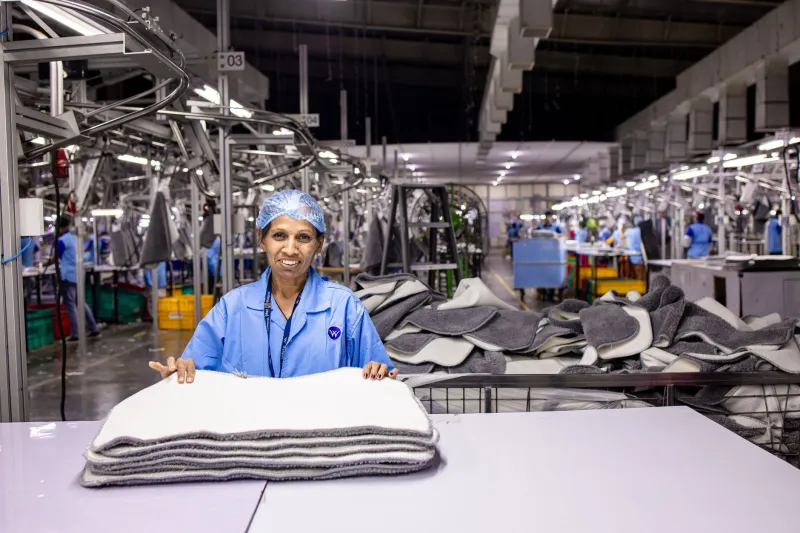
Beyond Germany, a significant portion of the pilgrimage crowd is heading to manufacturing regions in Vietnam, Indonesia, and China — countries where the majority of Adidas footwear production takes place. These aren't your typical tourist destinations, but that's kind of the point.
Fans who've visited partner manufacturing facilities describe a total recalibration of how they think about their collection. The construction of a single pair of Ultraboosts, for instance, involves dozens of individual steps — from the cutting and stitching of the Primeknit upper to the molding and bonding of the Boost midsole. Watching that process unfold in person, in real time, changes the way you look at the shoe when you get home.
"I've had a pair of NMDs for years," one collector from Atlanta shared in a sneaker community forum after returning from a trip to Vietnam. "I thought I knew everything about them. Then I watched someone hand-finish the upper on a factory floor and I literally had to sit down."
That sense of revelation is becoming a common theme. Understanding the labor, the precision, and the sheer number of human decisions that go into a single pair has flipped the script on how many enthusiasts value their kicks. It's less about the price tag and more about the process.
Adidas Is Paying Attention
The brand hasn't missed what's happening. Adidas has been steadily investing in the transparency and storytelling side of its manufacturing story, partly as a response to growing consumer demand for ethical and sustainable production, and partly because they recognize that deeper brand connection translates to deeper loyalty.
The Speedfactory concept — Adidas's experiment in highly automated, localized manufacturing — was as much a cultural statement as it was a production strategy. Even though those facilities have since pivoted in focus, the conversation they sparked about domestic manufacturing, innovation, and craft hasn't gone away. If anything, it pushed more fans to ask: where exactly does this shoe come from, and how?
On the heritage side, Adidas has leaned into its Herzogenaurach roots more aggressively in recent years, hosting creator programs, brand immersions, and athlete experiences on campus that double as media moments for the culture. The message is deliberate: come see us. Know us. Understand what the three stripes actually stand for.
The New Status Symbol Isn't a Colorway
Here's what's really interesting about this whole movement: it's reshaping what clout looks like in sneaker circles. For years, the flex was the rarest pair — the limited drop, the friends-and-family exclusive, the deadstock grail. And those things still matter. But increasingly, the most respected voices in the community are the ones who can speak to how something was made, not just what it is.
When someone in your group chat can break down the difference between compression-molded EVA and full-length Boost, or explain why a specific Adidas collab was manufactured at a particular facility because of the stitching capabilities there, that's a different kind of credibility. It's knowledge as currency, and it's earned through experience — not just through a purchase.
This is especially resonant for younger enthusiasts in the US who grew up with instant access to every sneaker story ever told online. They've consumed the YouTube deep dives, the Reddit threads, the Instagram archives. The next frontier is firsthand experience. You haven't just watched the documentary — you've been to the location where it was filmed.
Planning Your Own Journey
If this is speaking to you, here's the real talk: these trips require planning, patience, and some hustle. Direct factory access isn't something you can just Google and book. It usually requires connecting with brand representatives, joining official enthusiast programs, or linking up with community organizations that have existing relationships with Adidas.
For the Herzogenaurach experience, the Adidas website periodically lists campus events and brand activations that are open to the public or to registered community members. Keeping tabs on those announcements — and being ready to move quickly when they drop — is the move. Think of it like a sneaker release. Preparation and timing are everything.
For manufacturing region visits, connecting with journalists, content creators, or advocacy organizations focused on supply chain transparency can open unexpected doors. Some travel companies have also begun offering curated sneaker culture itineraries in Southeast Asia that include factory components.
The Journey Is the Point
At its core, this trend is about something bigger than tourism. It's about the sneaker community evolving from passive consumers into active participants in the story of the shoes they love. It's about showing up, asking questions, and coming home with a relationship to your collection that goes deeper than any resale value could measure.
Adidas has always been a brand about movement — about pushing forward, about showing up on the court, the track, the street. The fans who are literally moving toward the source of the thing they love are living that ethos in a way that feels completely authentic.
The pilgrimage is real. And for the heads who've made the trip, there's no going back to just copping and flexing. Once you've seen how it's built, you wear it differently.