City by City, Stripe by Stripe: How America Gave Adidas Its Accent
A brand doesn't become a cultural institution by staying the same everywhere it lands. It becomes one by being flexible enough to absorb the energy of every community it touches — and giving those communities something they can genuinely call their own.
That's what Adidas has done across the United States, whether intentionally or not. The three stripes show up differently depending on where you are. The silhouettes people gravitate toward, the colorways that feel right, the way shoes get styled and what they get paired with — all of it shifts depending on which city you're standing in. And those differences aren't just aesthetic. They're rooted in music, history, climate, and the kind of deep local pride that no marketing campaign can manufacture.
Here's a look at how some of America's most distinct regional sneaker cultures have developed their own relationship with Adidas.
Houston: Where Slow Motion Meets Boost Technology
If you want to understand Houston's sneaker culture, you have to understand Houston's music first. The city that gave the world chopped-and-screwed hip-hop — a genre built on slowing things down, letting bass notes hang in the humid air, savoring every beat — has a sneaker aesthetic that mirrors that philosophy perfectly.
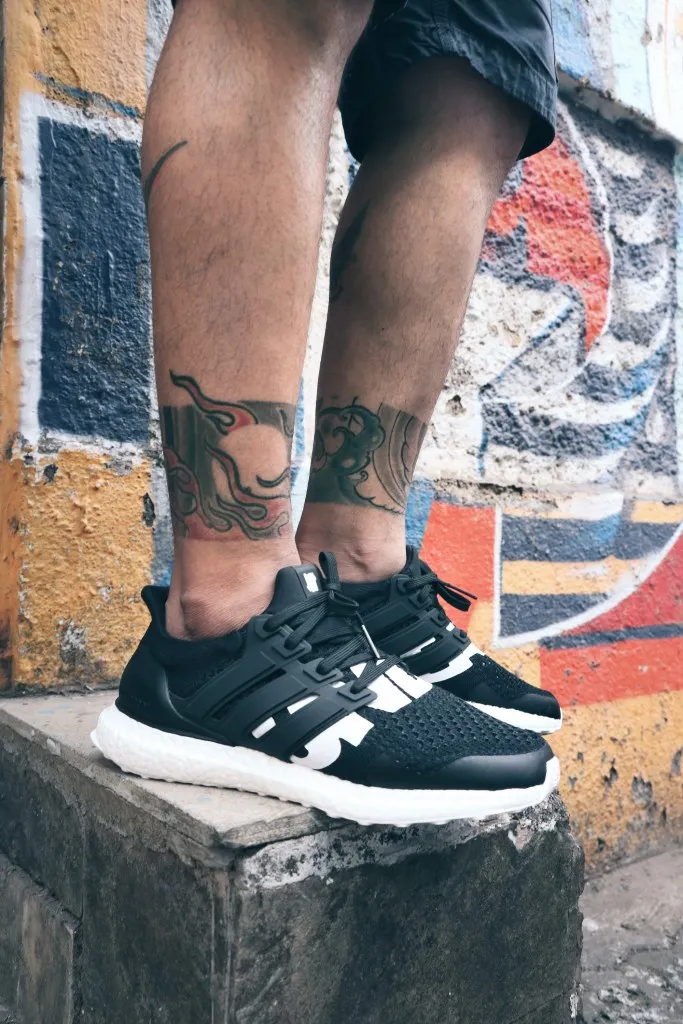
In Houston, Adidas Ultra Boost and NMD silhouettes hit different. The city's love for Boost technology isn't just about comfort in the Texas heat (though that's definitely part of it). It's about a certain visual weight, a thickness underfoot that matches the deliberate, unhurried energy of the culture. Colorways trend toward deep purples, burgundies, and the kind of bold earth tones that look right under a southern sky.
Local sneaker shops in the Third Ward and Midtown have long functioned as community anchors, and the conversations happening there about Adidas reflect a city that takes its style seriously without ever feeling like it's trying too hard. That's very Houston. That's very chopped-and-screwed.
"Down here, we don't chase drops the same way," says one Houston-based collector. "We find what resonates and we ride with it. We're not in a rush."
New York: The Classic Leather Lobby
New York's relationship with Adidas is probably the oldest and most deeply documented of any American city, and it's built almost entirely on a foundation of clean leather and shell toes.
The Superstar and the Stan Smith aren't just popular in New York — they're practically civic property. The city's streetwear culture has a long memory, and the connection between Adidas and hip-hop's New York origins creates a gravitational pull toward the archive that newer silhouettes have to work hard to compete with. When something new drops, New Yorkers tend to ask: does this hold up against what we already know is great?
That skepticism isn't hostility. It's a form of respect — for the brand's history, for the culture that adopted it, and for the idea that not everything needs to be the newest thing to be the right thing. In New York, a beat-up pair of Superstars with the right fit is still going to turn more heads than a fresh pair of something nobody's decided matters yet.
The city also has a distinct relationship with Adidas through the lens of basketball and playground culture. The brand's footprint in New York's recreational sports scene runs deep, and you can trace a direct line from the outdoor courts of Harlem to the current wave of retro basketball silhouettes finding new audiences.
Los Angeles: Desert Palette, West Coast Ease
LA's Adidas culture is built on a completely different visual logic. Where New York gravitates toward clean and classic, Los Angeles leans into color, texture, and the kind of effortless cool that only makes sense when you're surrounded by mountains, desert, and ocean all at once.
The city has a particular affinity for earth-toned and nature-inspired colorways — terracotta, sage, sand, dusty rose — that feel like they were pulled directly from the landscape of the San Gabriel Valley or the high desert outside Palm Springs. Adidas Originals silhouettes like the Gazelle and the Campus get styled here with a laid-back intentionality that's hard to replicate elsewhere. The shoe isn't the outfit; it's part of a whole visual ecosystem.
LA's creative industries also play a significant role. The city's concentration of designers, stylists, musicians, and visual artists means that Adidas gets filtered through a creative lens constantly. Collaborations get dissected with genuine critical attention. New colorways get photographed against the right backdrops and circulate through social media in ways that influence how the rest of the country perceives the brand.
Chicago: The Underground Current
Chicago doesn't always get its flowers in sneaker culture conversations, but the city has a quiet, consistent Adidas energy that's been building for decades. The connection runs through music — Chicago's footwork and drill scenes both have deep ties to athletic aesthetics — and through the city's proud working-class identity.
In Chicago, Adidas feels utilitarian in the best possible way. These are shoes you actually wear, in real weather, to real places. The city's winters demand durability, and the culture rewards authenticity over performance. You'll find a strong appreciation for the brand's more technical outdoor silhouettes here alongside the classic runners and court shoes.
The Chicago sneaker community also has a strong independent retail culture, with shops that have cultivated genuine expertise and community loyalty over years of operating outside the spotlight.
Why This All Matters
It would be easy to look at all of this and see fragmentation — a brand meaning different things to different people in different places. But that's actually the story of how a brand earns real cultural equity.
Adidas didn't dictate what it would mean in Houston or New York or LA. Those communities decided for themselves, based on their own histories, aesthetics, and values. The brand provided the raw material; the cities provided the meaning.
That's a dynamic worth celebrating. Because when a community takes something global and makes it unmistakably local, they're not just wearing shoes. They're writing culture. And across America, city by city, that's exactly what Adidas fans have been doing all along.