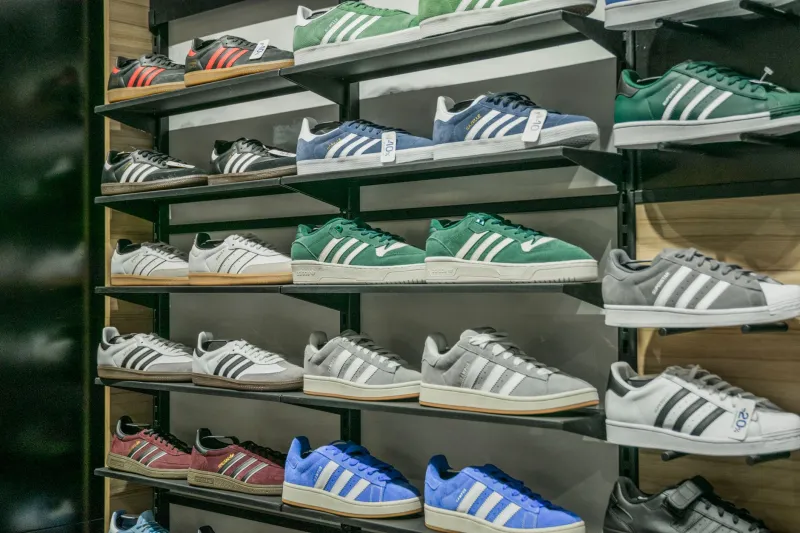
Flip Game Strong: How Young Hustlers Built Empires Off Adidas Drops
Jordan Mack is 22 years old, lives in Atlanta, and hasn't worked a traditional job since his sophomore year of college. His income? Adidas drops. Specifically, the art of buying them low and selling them high — sometimes within hours of a release going live. Last year alone, he cleared over $40,000 flipping pairs he copped through apps, bots, and sheer persistence. "People think it's luck," he says, leaning back in a chair surrounded by stacked shoeboxes. "It's not. It's a business."
Mack isn't alone. Across the country, a generation of young entrepreneurs has quietly built a parallel sneaker economy on the back of Adidas's most coveted releases. What the brand markets as exclusivity, resellers translate directly into opportunity. And the numbers back it up.
The Market Is Bigger Than You Think
The global sneaker resale market was valued at roughly $6 billion in 2023 and is projected to nearly double by the end of the decade. Platforms like StockX and GOAT have professionalized what used to be a cash-in-hand transaction at the mall parking lot. Now it's algorithms, authentication processes, and real-time price tracking that would feel right at home on Wall Street.
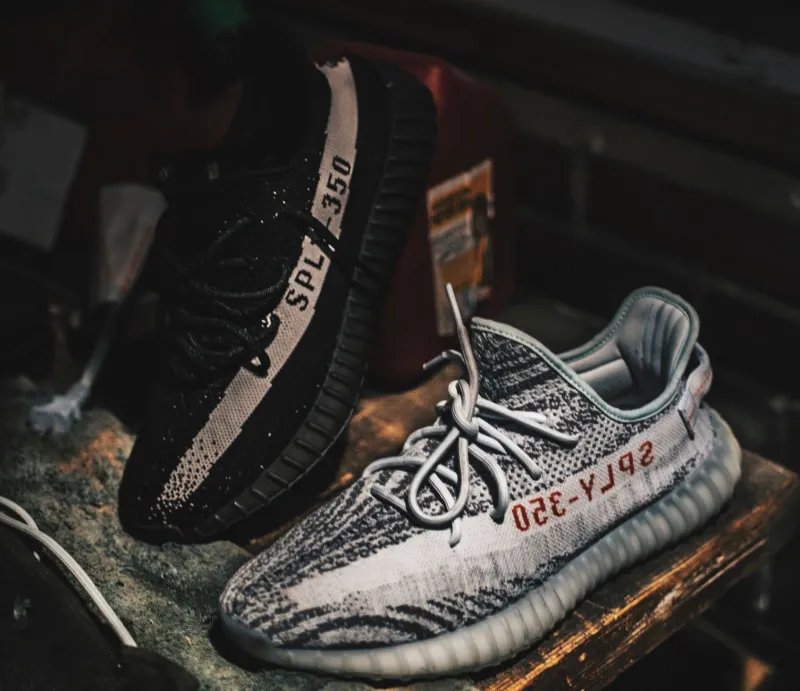
Adidas product consistently ranks among the most actively traded on both platforms. The Yeezy catalog — even post-Ye — still commands serious premiums. The Samba, once a sleeper pickup, has seen resale prices spike dramatically as its cultural moment exploded. Collaboration pieces with designers like Wales Bonner or Sporty & Rich routinely sell for two to three times retail the moment they hit the secondary market.
StockX's own data shows that Adidas sneakers account for a significant share of the platform's total trade volume, with certain limited colorways holding value better than some traditional investments. That's not a metaphor — collectors and resellers genuinely talk about certain pairs the way day traders talk about stocks.
The Drop Model Is the Engine
None of this works without scarcity, and Adidas knows exactly what it's doing. The brand's drop strategy — limited quantities, surprise releases, app-exclusive access, regional rollouts — is practically engineered to generate hype. Whether that's an intentional driver of resale culture or simply a byproduct of demand management is a question the brand sidesteps carefully. Either way, the effect is the same: every time inventory feels scarce, the secondary market heats up.
"The drop model is the whole game," says Maya Chen, a 24-year-old reseller based in Los Angeles who runs her operation alongside a small group of friends. "When Adidas announces something with limited pairs, I'm already calculating what it'll go for on GOAT the next morning. The release is almost secondary to the flip."
Chen uses a combination of raffles, manual checkouts, and — she admits candidly — bots to secure inventory. It's an arms race that frustrates everyday fans trying to cop for personal wear, but it's also a reality the industry has largely normalized. Some resellers have even built entire YouTube channels and Discord servers teaching others the craft, monetizing the knowledge itself.
Bots, Raffles, and the Ethics of the Flip
The resale conversation doesn't come without friction. Sneaker purists argue that bot-assisted bulk buying kills the culture, locking out real fans who just want to wear the shoe. There's a genuine tension between the community that loves Adidas for what it represents and the entrepreneurs who love it for what it returns.
Brands have experimented with countermeasures — SNKRS-style draws, purchase limits, in-person raffles, and verified buyer programs — but none have fully cracked the code. Adidas has rolled out its own app-based release system with varying success. The bots adapt. The resellers adapt. It's a cycle that shows no signs of stopping.
What's interesting is how Adidas has begun threading the needle between fighting resale culture and quietly benefiting from it. The hype generated on secondary markets is free marketing. When a pair of Sambas or a collab silhouette trends on StockX, that visibility drives retail demand too. The brand gets cultural cachet without paying for a single ad.
The New Sneaker Entrepreneur
What separates today's resellers from the dudes who used to flip Jordans at swap meets is sophistication. This generation treats it like a real business — spreadsheets tracking cost basis and margins, social media accounts building personal brand around their pickups, and a deep understanding of what drives value in the market.
Mack keeps a running database of every pair he's bought and sold, tracking which silhouettes hold value, which colorways tank, and which collaborations have legs beyond the initial hype cycle. He's built relationships with other resellers across the country, essentially forming a loose network that shares intel on upcoming drops and market movements.
"You have to study the culture," he explains. "It's not just about what's dropping. It's about why something matters, who's wearing it, what moment it's attached to. The shoe that a rapper wears in a video on a Tuesday can double in price by Thursday."
For Chen, the hustle has opened doors she didn't expect. She's been approached by boutiques looking to buy bulk inventory and has consulted with smaller brands trying to understand how to generate authentic hype for their own releases. The resale game, for her, became a crash course in marketing, consumer psychology, and supply chain dynamics.
Where Adidas Fits in Its Own Aftermarket
Adidas's relationship with the resale economy is complicated, but it's undeniably intertwined. The brand's most iconic silhouettes — the Stan Smith, the Superstar, the Ultraboost — built their cultural staying power partly through the secondary market's endorsement. When resellers bet on a shoe, it signals cultural relevance in a way that traditional advertising simply can't manufacture.
More recently, Adidas has leaned into collaboration culture in ways that seem almost algorithmically designed for resale performance. Limited partner drops, regional exclusives, and surprise colorway reveals all create the conditions resellers thrive in. Whether the brand views this as a feature or a bug likely depends on who you ask inside Herzogenaurach.
What's clear is that the resale economy is no longer a footnote in the sneaker story — it's a central chapter. And for a generation of young Americans who grew up watching hustle culture get glorified from every direction, turning a passion for Adidas into a legitimate income stream feels less like a side hustle and more like a calling.
The Journey Doesn't End at Retail
The sneaker doesn't stop moving when it leaves the store shelf. For a growing army of resellers, that's exactly where the journey begins. They're reading market trends, building customer bases, and treating every limited drop like a starting gun. The culture that Adidas built — rooted in sport, style, and a relentless drive to move forward — has found a new expression in the hands of young entrepreneurs who took the three stripes and ran with them.
Literally and figuratively.
Whether you're in it for the love of the shoe or the love of the flip, one thing's undeniable: the Adidas resale game is real, it's growing, and it's not slowing down anytime soon.