Passport Required: Why the Most Coveted Adidas on the Planet Aren't Coming to a US Store Near You
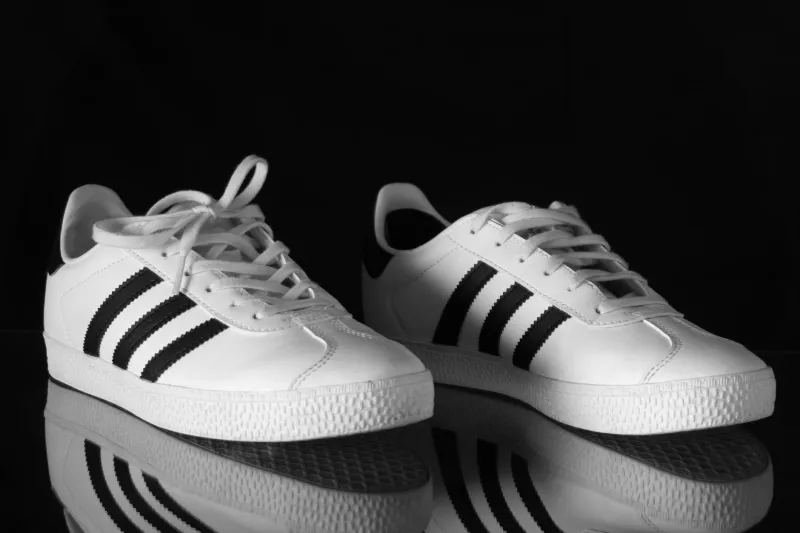
Somewhere in Tokyo right now, a pair of Adidas shoes is sitting on a shelf that you will never see at your local Foot Locker. It's not because it wasn't hyped enough. It's not because it sold out before you could cop. It simply wasn't made for you — or for the American market at all.
And that, increasingly, is exactly what makes it the most interesting thing in the game.
The Geography of Hype Has Shifted
For years, the American sneaker market operated like the center of the universe. If a release was going to matter, it was going to matter here first. US drops set the tone. US resale prices set the benchmark. US collectors defined what was worth chasing.
That framework has been cracking for a while, and by now it's pretty much shattered. The global sneaker conversation has decentralized, and the most passionate, knowledgeable communities in the world aren't necessarily the ones with the biggest domestic market share. Japan, Germany, South Korea, the UK — these are places where sneaker culture runs deep in ways that go beyond hype cycles and celebrity co-signs.
Adidas, being a European brand with deep cultural roots across multiple continents, has always been better positioned than most to serve those markets authentically. And increasingly, the brand's most thoughtful and design-forward releases are being tailored to those regional audiences — not to the mass American consumer.
What Japan Gets That We Don't
There's a reason Yahoo Japan Auctions is bookmarked on the browser of nearly every serious Adidas collector in the US. Japanese retail culture has a relationship with Adidas that's both longer and different from the American version. Adidas product has been part of Japanese street culture since at least the late 1970s, and the market there developed a sensitivity to detail, quality, and heritage that shapes what gets released regionally.
Japan-exclusive Adidas drops tend to emphasize premium materials, restrained colorways, and archival silhouettes that the US market might consider too niche to move at volume. But niche is the point. These aren't shoes designed to appeal to everyone — they're designed to speak directly to people who know exactly what they're looking at.
The result is product that feels considered in a way that a lot of domestic releases don't. And when that product surfaces on resale platforms, American collectors who've been following the global conversation are ready to pay for it.
"I stopped paying attention to US drop calendars a couple years ago," says Derek Osei, a collector based in Chicago who's been building a globally sourced Adidas collection for about six years. "Everything I actually want is coming from somewhere else. Japan, Germany, sometimes South Korea. The US stuff just feels like it's trying too hard."
Europe Plays a Different Game
Germany, Adidas's home country, occupies a unique position in the brand's global strategy. There's a directness to how Adidas releases land in the German market — less filtered through hype culture, more rooted in the actual design and sport heritage of the brand. Collectors there tend to approach the shoes as objects with history rather than as status signals.
That sensibility has produced a wave of European-exclusive releases — particularly around football culture and the brand's deep connection to the Bundesliga and Champions League — that carry enormous cultural weight but barely register on American sneaker media radar. Until they do. Then they explode.
The Adidas Samba is the obvious recent example of a silhouette with deep European roots that eventually crossed over into American culture in a massive way. But for every Samba, there are a dozen shoes that never make that journey — that stay in European boutiques and collector circles, circulating quietly, gaining value without ever needing a US moment to validate them.
How American Collectors Are Adapting
The collectors who are winning right now are the ones who've restructured how they think about sourcing. They're not waiting for a shoe to hit the US market. They're monitoring Japanese retail sites, following European boutique accounts on Instagram, building relationships with proxies and shipping forwarders who can get product out of markets that don't ship internationally.
It requires more effort. It requires some language navigation. It sometimes requires paying import duties and dealing with shipping delays. But the payoff — landing something genuinely rare, something that carries cultural context most American collectors haven't even encountered — is exactly the kind of differentiation that serious collectors are after.
"I think of my collection as global now," says Priya Sharma, a collector from the Bay Area who specializes in Japanese and South Korean Adidas exclusives. "It's not about being the first person to get a US drop. It's about understanding the full picture of what Adidas actually is around the world. That's a much more interesting story."
The Cultural Difference Is the Point
What makes international releases feel different isn't just scarcity — it's the cultural context baked into the product. A shoe designed for a specific regional market carries the DNA of that market: its aesthetics, its history with the brand, its values around what a great sneaker should be.
When an American collector acquires one of those shoes, they're not just buying a rare piece of product. They're buying a window into a different relationship with a brand they already love. That's a fundamentally different kind of collecting than chasing a domestic limited release.
And it's pushing the most thoughtful collectors in the US to develop a more global literacy about sneaker culture — to understand why a particular colorway resonates in Seoul, why a specific silhouette matters in Berlin, why Japanese collectors have been obsessing over a model that US media hasn't touched.
The world is the drop now. And the collectors who've figured that out are building collections that look unlike anything the domestic hype machine could have produced.