Breaking the Mold: How Women Athletes Are Forcing Adidas to Build Gear That Actually Works for Them
Let's be honest about something that the sports industry has spent decades dancing around: women athletes were largely an afterthought in performance gear design for a very long time. The standard playbook was simple and lazy — take what worked for men, scale it down, maybe swap in a softer color palette, slap a "women's" label on it, and call it a day. Athletes at every level, from weekend warriors to Olympic competitors, were expected to just make it work.
They did make it work. And then they got tired of having to.
What's happening right now in women's athletic performance and fashion is less of a trend and more of a reckoning. Female athletes across every sport are louder, more visible, and more economically powerful than ever before — and they're using that leverage to demand something that should have been standard all along: gear built specifically for them.
Adidas is in the middle of that shift, and the results are worth paying attention to.
The Problem With "Pink It and Shrink It"
The phrase has become a shorthand for an industry failure that affected millions of women for generations. Biomechanically, physiologically, and functionally, female athletes have different needs than their male counterparts. Hip angles, stride patterns, foot structure, sweat response, core support requirements — the differences are real, well-documented, and were largely ignored by performance gear manufacturers who found it easier to retrofit existing designs than to start from scratch.
The consequences weren't just aesthetic. Improperly designed running shoes contributed to higher injury rates. Sports bras that didn't actually support high-impact movement limited performance and caused chronic discomfort. Training tights that weren't built around female movement patterns restricted rather than enabled athleticism.
Women knew all of this. They'd known it for years. The industry just wasn't listening closely enough.
"We were always performing in spite of our gear, not because of it," says Priya Nair, a competitive marathon runner based in Boston who's been training in Adidas footwear for over a decade. "There's a difference between a shoe that's marketed to women and a shoe that's actually engineered for how a woman's foot moves. That gap is finally starting to close."
Athletes Leading the Conversation
The shift didn't start in a design lab. It started with athletes speaking up — publicly, persistently, and with the kind of credibility that comes from actually competing at the highest levels.
Across track and field, soccer, basketball, tennis, and beyond, a generation of elite female athletes has been vocal about what they need from their gear and what they've been forced to do without. That visibility has translated into cultural pressure that brands can no longer afford to ignore. When a world-class sprinter calls out inadequate footwear support on a platform with millions of followers, it's not just a complaint — it's market feedback at scale.
Adidas has responded by deepening its partnerships with female athletes not just as endorsers, but as actual collaborators in the design process. That's a meaningful distinction. Wearing a shoe in an ad and sitting in a product development meeting to explain exactly how your body moves through a 400-meter race are very different kinds of involvement.
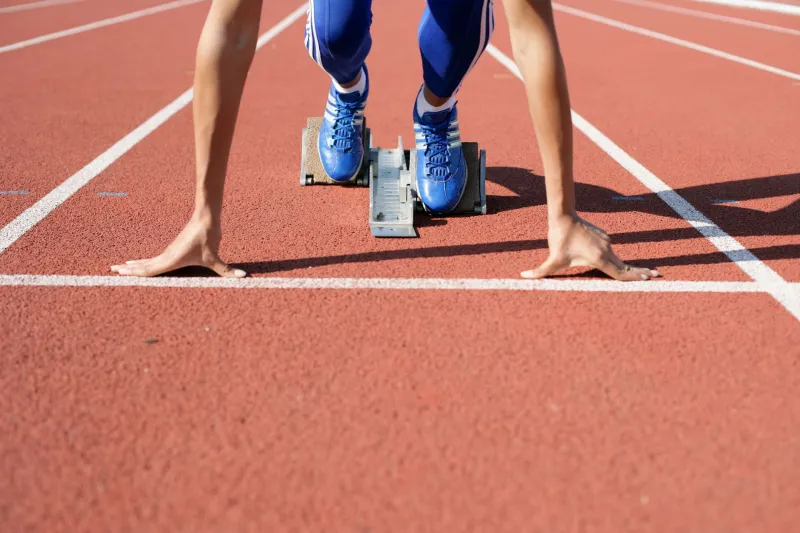
Track athletes have pushed for improvements in spike plate geometry and upper construction. Soccer players have weighed in on cleat patterns and ankle support structures. Runners have contributed to cushioning and stability research. The input is technical, specific, and genuinely shaping what ends up on store shelves.
The Performance-to-Lifestyle Pipeline
Here's where things get interesting from a fashion and cultural standpoint: the improvements happening in women's performance gear don't stay on the track or the field. They flow directly into the broader lifestyle market, and that pipeline is moving faster than ever.
Women's athletic wear is one of the dominant forces in American fashion right now — not as a niche category, but as a mainstream aesthetic driving billions of dollars in purchasing decisions. The leggings you wear to brunch, the training top you pair with wide-leg denim, the running shoes that go from a morning 5K to an afternoon of errands — all of it traces back to performance innovation that started with athletes.
When Adidas builds a sports bra with better structural support and more thoughtful strap engineering, that technology doesn't just serve competitive athletes. It raises the bar for every woman who wants to move through her day comfortably. When a running shoe gets redesigned around female foot mechanics, the benefits ripple out to millions of casual wearers.
"Performance and lifestyle have always been connected for women," says Destiny Crawford, a fitness content creator and style consultant based in Atlanta. "We don't compartmentalize our lives the way the marketing used to assume. We want gear that works when we're going hard and looks good when we're not. Better performance design makes better everyday gear. It's that simple."
What Progress Actually Looks Like
Progress in this space isn't just about adding more women's colorways to a catalog. It shows up in the details: a waistband that doesn't roll during high-intensity movement, a midsole compound calibrated for lighter average body weight, a sports bra cup construction that accounts for a fuller range of sizes without sacrificing performance.
Adidas has been investing in female-specific fit research, expanding size inclusivity across performance categories, and rethinking how training apparel moves with — rather than against — the female form. These aren't cosmetic changes. They're foundational engineering decisions that require real investment and real commitment to get right.
There's still more work to be done. Athletes and advocates are quick to acknowledge that while the direction is right, the pace needs to stay urgent. Representation in design teams matters. Continued investment in female-athlete-led research matters. Accountability for actually delivering on stated commitments matters.
A Cultural Moment That's Here to Stay
What makes this moment feel genuinely different from previous cycles of attention on women's sports is the economic and cultural infrastructure behind it. Women's sports viewership is up significantly across the board. The NWSL, the WNBA, women's college basketball — these aren't niche audiences anymore. They're mainstream, and the athletes at the center of them are cultural figures with real influence.
That influence is shaping what gets designed, what gets made, and what gets worn. Female athletes aren't waiting for the industry to catch up to them. They're pulling it forward.
Adidas has a real opportunity here — not just to serve this moment, but to help define what comes next. The brands that treat women athletes as full partners in innovation, rather than a secondary market to be accommodated, are the ones that will earn long-term loyalty from the most powerful consumer force in American fashion.
The game has changed. The gear needs to keep up.