Roots and Laces: Inside Adidas's Grassroots Push to Build the Next Generation of American Athletes
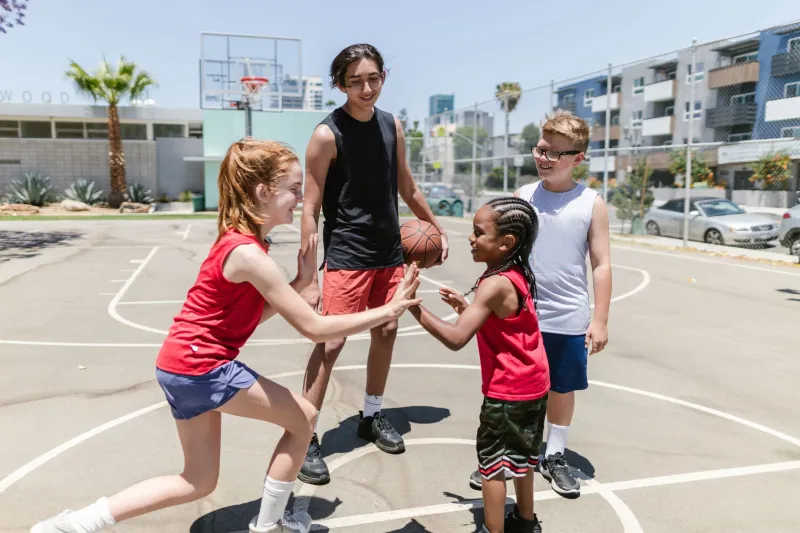
The gym at the Eastside Community Center in Kansas City smells like floor wax and effort. It's a Tuesday evening in late spring, and roughly thirty kids — ages ten through sixteen — are running drills under the watch of Coach Darnell Simmons, a former college basketball player who grew up four blocks from this building. The nets are new. The sneakers on most of these kids' feet are new too. Six months ago, neither of those things was true.
"We were making do," Simmons says, pausing at the sideline while his players run a fast-break drill. "Worn-out equipment, shoes kids brought from home that didn't fit right. You can't develop an athlete when the basics aren't covered."
The basics are covered now, thanks in part to a partnership with Adidas that has funneled gear, funding, and mentorship resources into this program — one of dozens across major US cities where the brand has quietly been building something that looks less like a marketing campaign and more like a genuine community investment.
A Different Kind of Brand Play
The conventional playbook for athletic brands and community engagement is fairly predictable: find a star athlete from a tough background, tell their origin story in a two-minute ad, and let the halo effect do the work. It's effective. It's also at arm's length from the actual communities being referenced.
What Adidas has been developing in recent years operates on a different frequency. The brand's grassroots programs — scattered across cities including Chicago, Los Angeles, Houston, Philadelphia, and Kansas City — prioritize direct investment in youth sports infrastructure, coach development, and equipment access. The athletes in these programs aren't future spokespeople. They're kids who want to play ball, run track, or kick a soccer ball without worrying about whether they have the right shoes to do it safely.
The philosophy behind this approach is straightforward, even if the execution is complex. Brand loyalty, particularly among younger generations, is increasingly built on demonstrated values rather than aspirational imagery. Showing up in a community — consistently, substantively, without a camera crew making the whole thing feel performative — creates a different kind of connection than any billboard can.
Profiles in Progress
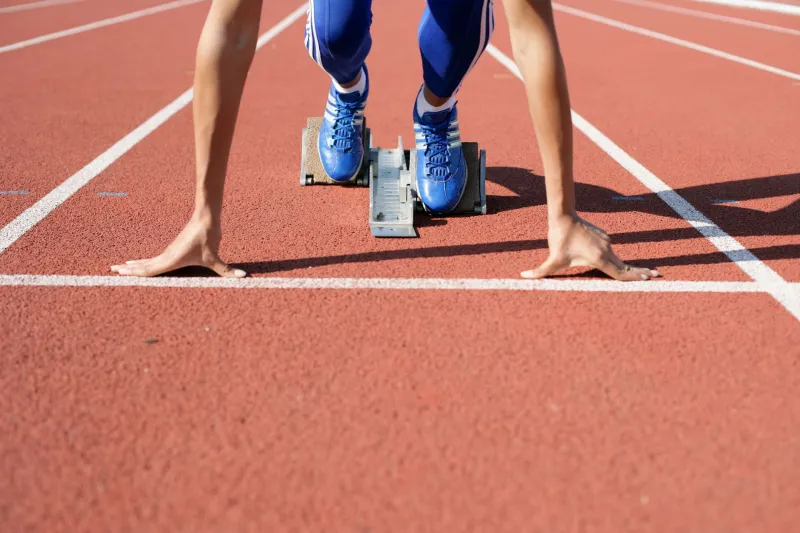
Take Jasmine Torres, a fifteen-year-old sprinter from the South Side of Chicago. She started running track through an Adidas-supported after-school program two years ago, mostly because it kept her busy after school. Last spring, she qualified for her state's junior championships in the 200 meters.
"Before the program, I didn't even know what a starting block was," Jasmine says, laughing. "Now I'm actually thinking about college scholarships. My coach thinks I can compete at the next level if I keep working."
Her coach, Vanessa Okafor, has been running the track program for three years. She points out that the Adidas partnership didn't just bring equipment — it brought structure. Organized coaching clinics, connections to former collegiate athletes who visit and mentor, and a level of institutional support that made the program feel permanent rather than provisional.
"Kids can tell when something is real," Okafor says. "When they see that the investment is consistent, that it's not just a one-time thing, they invest back. They show up. They work."
In Houston, a youth soccer initiative supported by Adidas has been running for four years in a predominantly Latino neighborhood where the sport has deep cultural roots but limited organized infrastructure. The program now fields six competitive age-group teams and has sent three players into elite youth academies. The head coordinator, Miguel Reyes, describes the brand's involvement as hands-off in the best possible way.
"They trust us to know what our community needs," he says. "They don't come in with a script. They ask questions and then they actually listen to the answers."
Why Grassroots Is Becoming the New Frontier of Brand Loyalty
The business logic here is worth examining, because it's more nuanced than simple goodwill marketing.
Athletic brand loyalty in America is shifting. Research consistently shows that Gen Z consumers — the demographic that will define athletic and lifestyle spending for the next two decades — make purchasing decisions based heavily on a brand's perceived authenticity and social impact. A flashy campaign featuring a superstar athlete moves product, but it doesn't necessarily build the kind of deep brand affinity that survives a competitor's better colorway or lower price point.
Grassroots community investment, done genuinely, builds something harder to replicate: lived experience. A kid who learned to play soccer in Adidas cleats provided by a program that actually showed up for her neighborhood doesn't just buy Adidas when she has spending power of her own. She tells her story. Her community tells the story. That's a form of brand narrative that no advertising budget can fully purchase.
For Adidas specifically, the grassroots direction also aligns with the brand's historical identity. The Three Stripes has always had a democratic streak — from affordable training shoes in post-war Germany to the hip-hop communities of 1980s New York that adopted the brand without any corporate encouragement. Investing in access and opportunity at the community level feels continuous with that identity rather than grafted onto it.
The Coaches at the Center of It All
If there's a consistent theme across every program we looked at, it's the centrality of coaches. Adidas's community initiatives don't just fund equipment and facilities — they invest in the humans who make athletic development possible.
Coach development workshops, stipends for volunteer coaches who otherwise give their time for free, and connections to broader networks of athletic mentorship have made a tangible difference in the sustainability of these programs. Good facilities with inadequate coaching produce limited results. The reverse is also true. When both sides of that equation are supported, something real starts to happen.
Darnell Simmons in Kansas City says the coaching development component has been personally transformative. "I knew how to play basketball. I had to learn how to coach it, how to reach these kids where they are, how to be a mentor and not just an instructor. That support made me better at this job, which means the kids get more out of it. That's the whole chain."
Building Something That Lasts
Grassroots programs live and die by continuity. A one-season equipment donation makes a good photo. A multi-year commitment to a community program changes trajectories.
The question worth asking — and the one community leaders in every city we visited raised — is whether this level of investment sustains itself over time, or whether it's subject to the same budget pressures and shifting brand priorities that have derailed similar initiatives in the past.
The early signals are encouraging. Programs in their second and third years are growing, not contracting. Coach networks are expanding. And the athletes coming through — kids like Jasmine Torres, lacing up for another early-morning practice — are starting to produce results that make the investment visible in the most compelling way possible.
The journey from a worn-out gym with second-hand gear to a legitimate pathway for young American athletes is a long one. But in cities across this country, that journey is underway. And on the feet of the kids running those drills, you'll notice the three stripes.