From the Locker Room to the Resale Market: The Secret Life of Player Exclusive Adidas
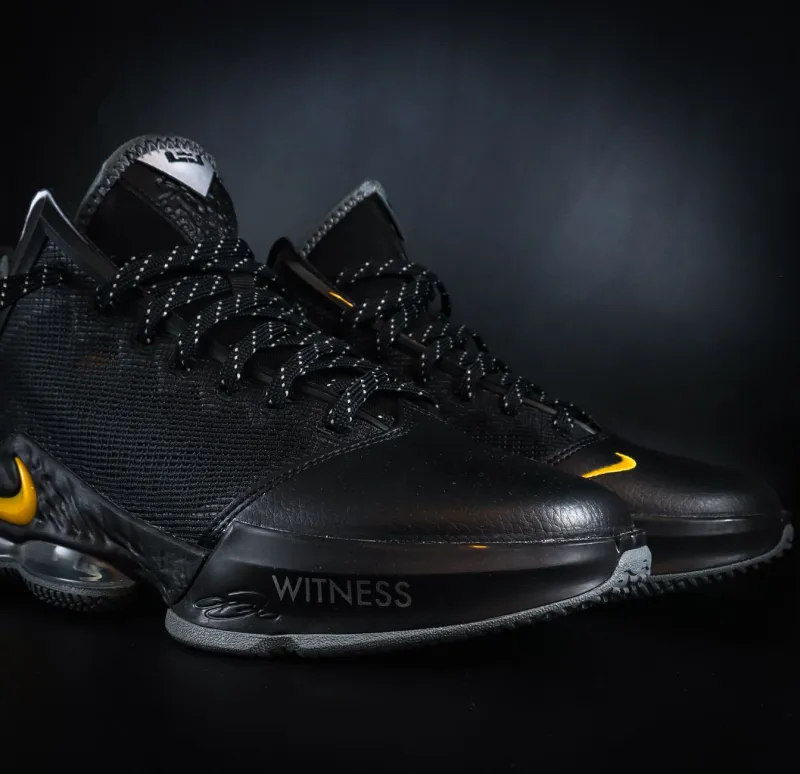
Somewhere right now, there's a pair of Adidas sneakers sitting in a collector's display case that was never supposed to exist outside a professional locker room. No SKU. No retail price. No public release. Just a custom colorway built to spec for a single athlete, stamped with a PE designation, and shipped directly to a team equipment manager who was supposed to control exactly where it went.
It didn't stay there.
The journey of a Player Exclusive — a PE, in collector shorthand — from an athlete's locker to a glass case in someone's living room is one of the sneaker world's most quietly fascinating stories. It involves brand reps, equipment staff, athletic trainers, agents, and a whole network of people who understand exactly what these shoes are worth and aren't always motivated to keep them off the market.
What Makes a PE Different
Before getting into how these shoes move, it helps to understand what makes them worth moving in the first place.
A Player Exclusive is exactly what it sounds like — a version of a performance shoe built specifically for an individual athlete. The modifications can be minor (a custom colorway matching a team's uniform) or significant (altered last dimensions, different cushioning setups, proprietary materials not available in retail versions). Adidas works directly with athletes and their teams to develop these specs, often going through multiple rounds of samples before landing on a final version.
For serious collectors, a PE represents the truest expression of what Adidas's performance design team is actually capable of — unfiltered by commercial considerations, built purely for function and identity. That's exactly why they command serious money on the secondary market.
The Equipment Room: Ground Zero
Every professional sports team has an equipment manager, and in many ways, this person is the gatekeeper of the entire PE ecosystem. They receive the shoes from brand reps, distribute them to players, manage inventory, and handle the logistics of what happens to gear that doesn't get worn.
And here's the thing: not everything gets worn. Athletes go through injuries. Trades happen mid-season. Guys get cut. Preferences change. The result is a constant low-level surplus of PE product sitting in equipment rooms across the country.
What happens to that surplus? Officially, it goes back to the brand or gets destroyed. In practice, the answer is considerably more complicated.
"Equipment rooms are tight-knit communities," says one former NBA team staffer who asked not to be named. "Guys look out for each other. If someone knows a collector who's been chasing a specific colorway for two years, and there are three pairs sitting in a box that are never going to see the court, it's not hard to see how those shoes end up somewhere else."
This isn't unique to basketball. NFL equipment staffs, soccer equipment managers at MLS clubs with Adidas partnerships — the dynamic plays out across sports.
The Brand Rep Layer
Adidas maintains a network of athlete relations and brand representative staff whose job is to build and maintain relationships with players, manage PE programs, and ensure brand standards are upheld. These reps are deeply embedded in team environments, often present at facilities multiple times per week during the season.
They're also, by nature of their position, some of the most connected people in the sneaker world. They know what's been made, what's been worn, and what's floating around.
Most brand reps operate with complete integrity. But the sheer volume of PE product moving through a league-wide system creates inevitable friction points. A sample that was supposed to be returned. A pair gifted to a rep as a thank-you that later finds its way to a resale platform. The line between legitimate gifting and unauthorized distribution can get blurry fast.
What Collectors Actually Pay
The resale value of a legitimate PE varies wildly based on the athlete, the silhouette, and the story attached to the shoe. A pair of game-worn PEs from a recognizable player in a signature colorway can fetch anywhere from a few hundred dollars to well into the five-figure range if provenance can be established.
Provenance is the key word. The resale market for PEs is rife with fakes — retail pairs modified to look like exclusives, colorways that were never actually made for a specific player, and outright fabrications. Serious collectors invest significant energy in authentication, often relying on networks of insiders who can verify whether a specific shoe was actually produced.
"The documentation matters as much as the shoe itself," says one prominent collector based in Atlanta who has built a substantial PE collection over the past decade. "A photo of the player wearing them, an equipment tag, anything that ties the shoe to the actual locker room — that's what separates a grail from a story."
The Gray Area Nobody Talks About
Adidas, like every major athletic brand, has contractual language governing what happens to PE product. Players own their gear in most cases, which technically gives them the right to sell or give away shoes they've received. Equipment staff and brand reps operate under different agreements.
The result is a genuinely murky legal and ethical landscape. When a player sells a pair of their own PEs to a collector, that's likely within their rights. When an equipment staffer does the same with product they were entrusted to manage, the picture changes considerably.
For most people in the ecosystem, though, the conversation isn't really about legality. It's about access, community, and the way rare objects accrue meaning as they pass through different hands. A PE that spent two weeks in a professional locker room before ending up in a collector's case carries a story that no retail release can replicate.
And in sneaker culture, the story is always part of what you're buying.