Sneakers as Currency: Inside the Adidas Resale Economy Turning Hype Into Real Money
There's a moment every sneakerhead knows. The confirmation email lands in your inbox, the pair ships, and before the box even hits your doorstep, you're already watching StockX to see where the resale price is sitting. For a lot of collectors, that moment isn't just exciting — it's strategic. Because in 2024, copping the right Adidas drop at retail and moving it smart isn't a hobby. It's a hustle with real financial upside.
The secondary sneaker market in the US has ballooned into a multi-billion dollar industry, and Adidas releases sit right at the center of the action. From the Yeezy era's seismic market impact to the continued heat around collaborations with Wales Bonner, Bad Bunny, and Sporty & Rich, Three Stripes product has proven time and again that it holds — and often grows — in value. The question is: who's actually winning, and how are they doing it?
The Platform Shift That Changed Everything
A decade ago, flipping sneakers meant posting on Craigslist or navigating sketchy forum threads. Today, the infrastructure is slick, transparent, and surprisingly accessible. Platforms like StockX, GOAT, and Alias have essentially built stock markets for shoes — complete with price histories, authentication services, and market data that serious traders use to time their moves.
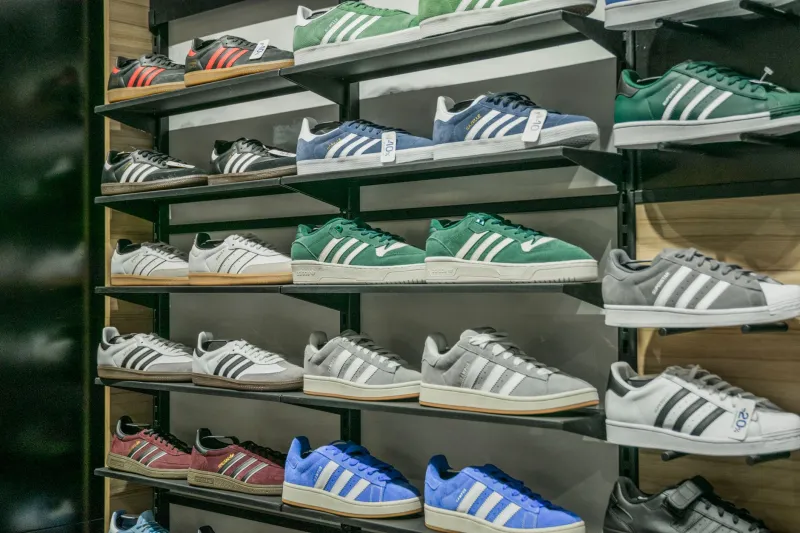
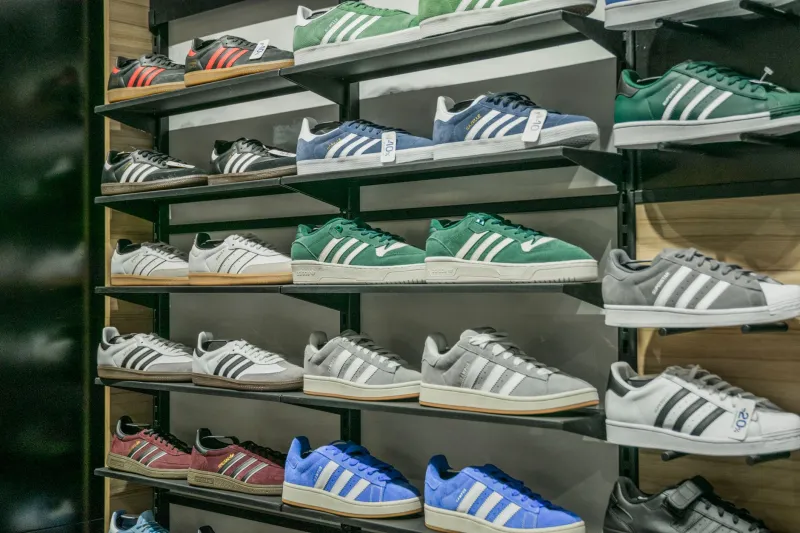
For Adidas enthusiasts specifically, this shift has been massive. When a new colorway of the Samba or a surprise Gazelle collab drops, the price curve on resale platforms tells a story almost immediately. Early buyers who copped at retail can either hold and watch the value climb or flip fast for a quick margin. The platform ecosystem has made both strategies viable, removing a lot of the friction that used to make resale feel risky or inaccessible.
What's interesting is how this has democratized the game. You don't need a warehouse or a storefront. A college student in Atlanta with a solid Wi-Fi connection and a sharp eye for upcoming releases can move product just as effectively as a seasoned reseller operating out of a Chicago boutique.
Reading the Market Like a Pro
Ask any successful sneaker trader what separates the winners from the people who end up sitting on dead stock, and they'll tell you the same thing: cultural literacy. Knowing why a shoe is hot is just as important as knowing that it's hot.
Take the Adidas Samba resurgence. On paper, it's a classic indoor soccer shoe with a simple silhouette. But traders who understood the shoe's deep roots in UK terrace culture, its adoption by European fashion circles, and its eventual crossover into US streetwear knew well ahead of mainstream media coverage that this was going to be a prolonged run — not a one-week spike. Those who held their pairs through 2022 and into 2023 saw sustained demand that rewarded patience.
The same logic applies to collaboration reads. When Adidas announced its partnership with Bad Bunny, traders who followed Latin music culture and understood his crossover appeal in the US market were already calculating. The Forum Buckle Low didn't just sell — it sold up, consistently, across multiple colorways. That's not luck. That's cultural knowledge converting into margin.
The Economics of a Flip
Let's get concrete for a second. Say a limited Adidas drop retails at $180. On release day, resale price sits at $320. After platform fees — typically around 9-13% on most major sites — plus shipping, a seller might net $260 to $270 on a clean transaction. That's roughly $80 to $90 profit per pair, assuming they copped at retail.
Now scale that up. Traders who manage to secure multiple pairs through a combination of manual copping, early access programs, and yes, sometimes bot assistance, can run that math across five, ten, or twenty units. Suddenly you're looking at a meaningful income stream — not a get-rich-quick scheme, but a real, repeatable business model built on product knowledge and timing.
Of course, it's not always that clean. Prices drop. Hype fades faster than expected. A shoe that looked like a sure thing at $350 resale can slide back toward retail within weeks if demand doesn't hold. Successful traders build in risk tolerance, diversify across multiple releases, and don't overcommit capital to any single drop. It's portfolio thinking applied to sneakers.
Who's Actually Doing This?
The resale community is more diverse than the stereotypes suggest. Yes, there are full-time resellers running operation centers with dedicated storage and multiple accounts. But there are also part-time hustlers — teachers, nurses, students — who use sneaker flipping as a consistent side income. There are collectors who fund their personal grails by flipping duplicates. And there's a growing community of younger traders, some still in high school, who've learned financial concepts like margin, liquidity, and market timing through the sneaker economy before they ever opened a brokerage account.
Social media has accelerated all of it. Discord servers dedicated to Adidas drops share real-time restock alerts, backdoor links, and resale price predictions. YouTube channels break down the economics of specific releases in detail. The information ecosystem around sneaker trading has matured dramatically, and with it, so has the sophistication of the people operating inside it.
The Long Game: Collecting vs. Trading
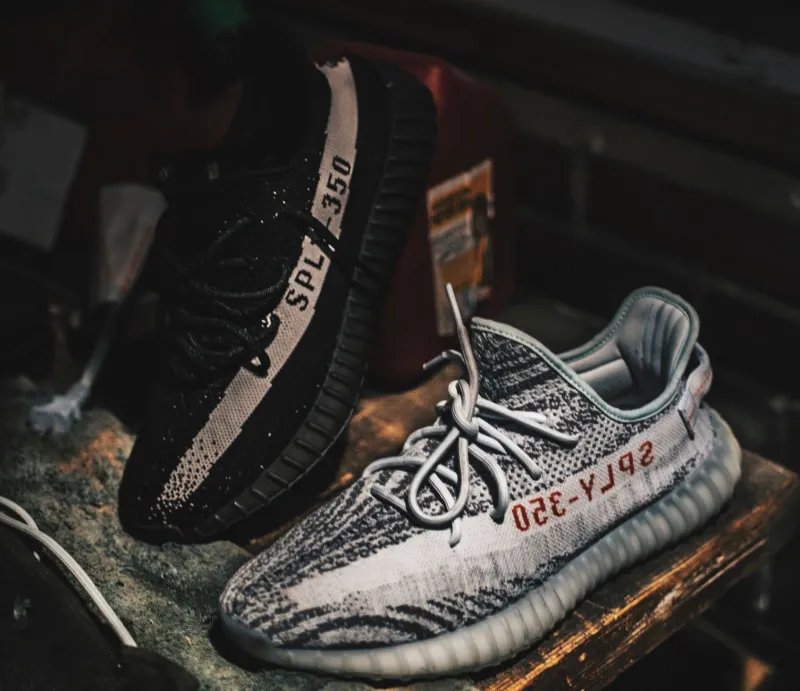
Not everyone in the Adidas resale world is chasing quick flips. There's a parallel lane of serious collectors who think in years, not weeks. Deadstock pairs from significant cultural moments — early Yeezy releases, original Pharrell collabs, limited regional exclusives — have shown appreciation curves that rival traditional collectibles markets.
The distinction between collecting and trading is blurring, though. Many enthusiasts do both simultaneously: flipping newer releases to generate cash flow while holding older, rarer pairs as long-term assets. It's a strategy that keeps them active in the current market while building a portfolio of pieces that appreciate quietly in the background.
Authentication has become critical in this long-game space. As values climb on rare Adidas pairs, so does the sophistication of fakes. Platforms have invested heavily in verification, and serious collectors often go the extra mile — third-party authentication, detailed documentation, original receipts — to protect the value of significant pieces.
Moving Forward
The Adidas resale economy isn't slowing down. If anything, the brand's continued push into high-profile collaborations, limited regional drops, and unexpected archival revivals keeps feeding a market that rewards the knowledgeable and the prepared. For US sneaker enthusiasts who've put in the time to understand the culture — not just the product — the financial opportunities are real and growing.
It's a space where passion and pragmatism meet. Where loving sneakers and understanding their cultural weight can translate directly into income. That's the journey a lot of people are on right now, and if the market is any indication, there's plenty of road left ahead.